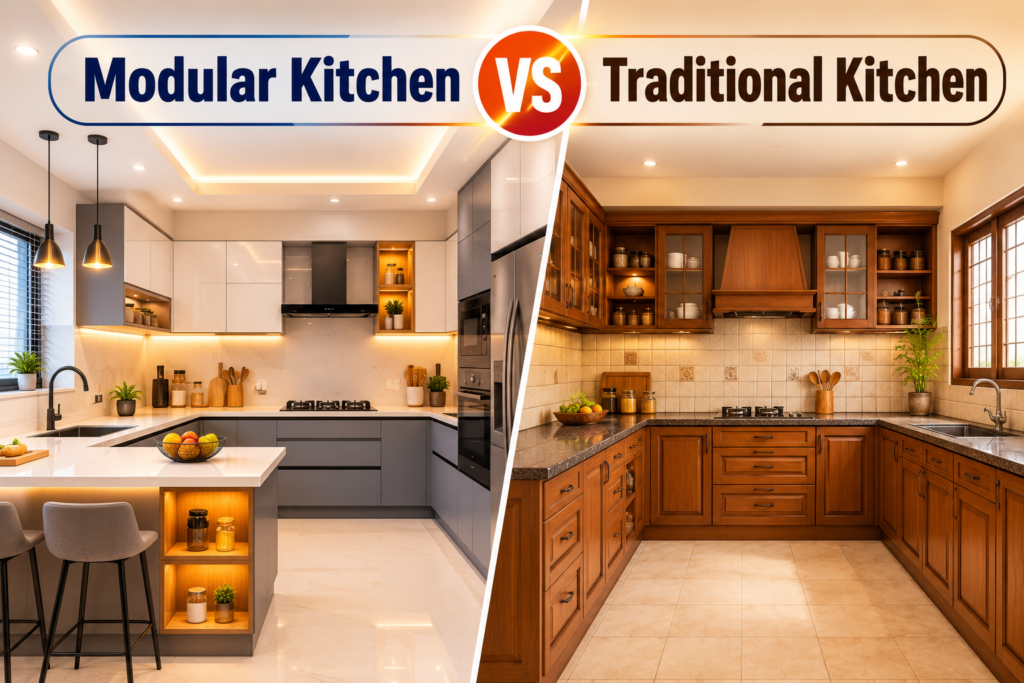
The kitchen is one of the most important spaces in any home. Whether you’re building a new house or renovating your existing one, choosing between a modular kitchen and a traditional kitchen is a major decision. Both have their own advantages, but the right choice depends on your lifestyle, budget, available space, and design preferences.
In this blog, we’ll compare modular kitchens and traditional kitchens to help you decide which one best suits your home.
What is a Modular Kitchen?
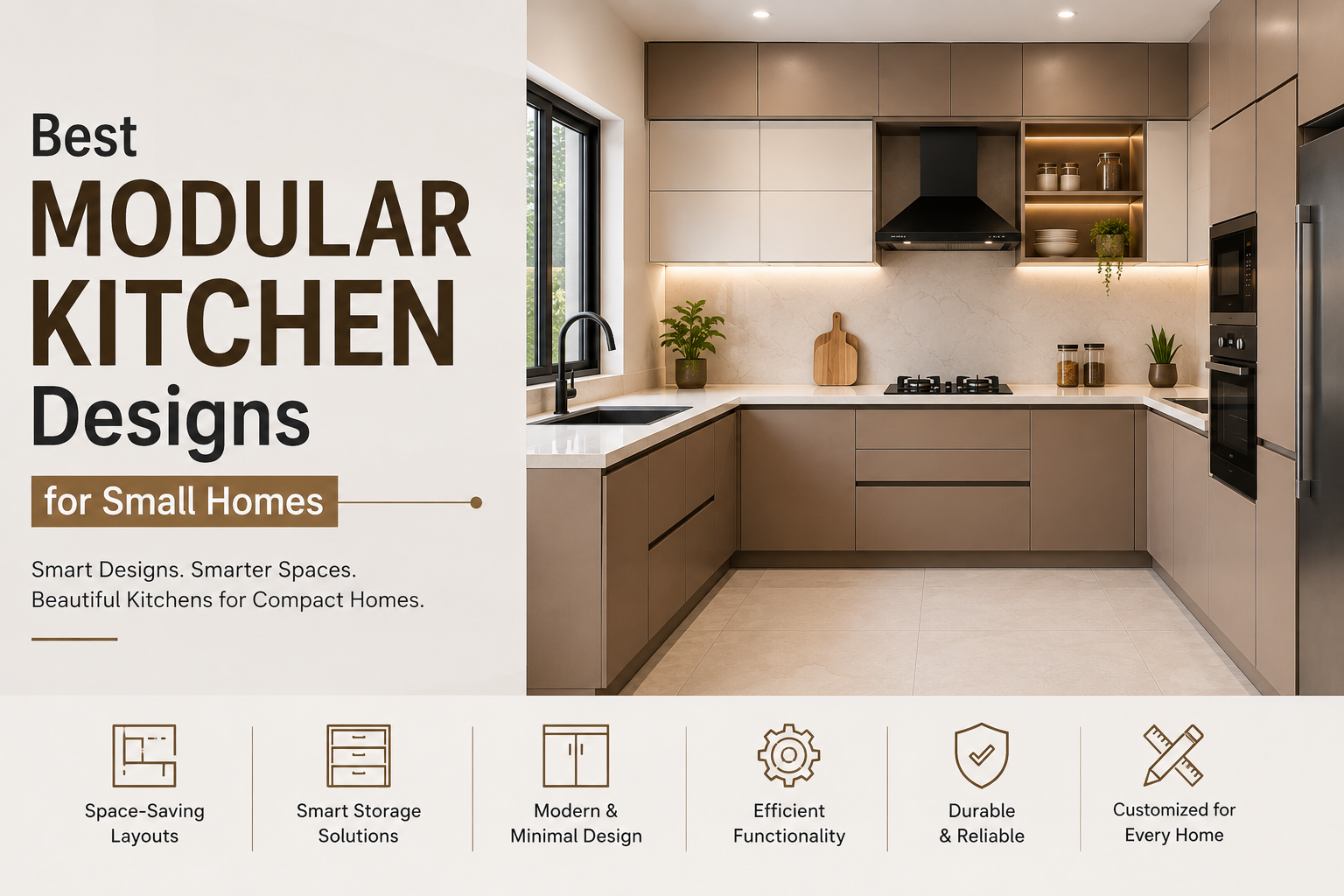
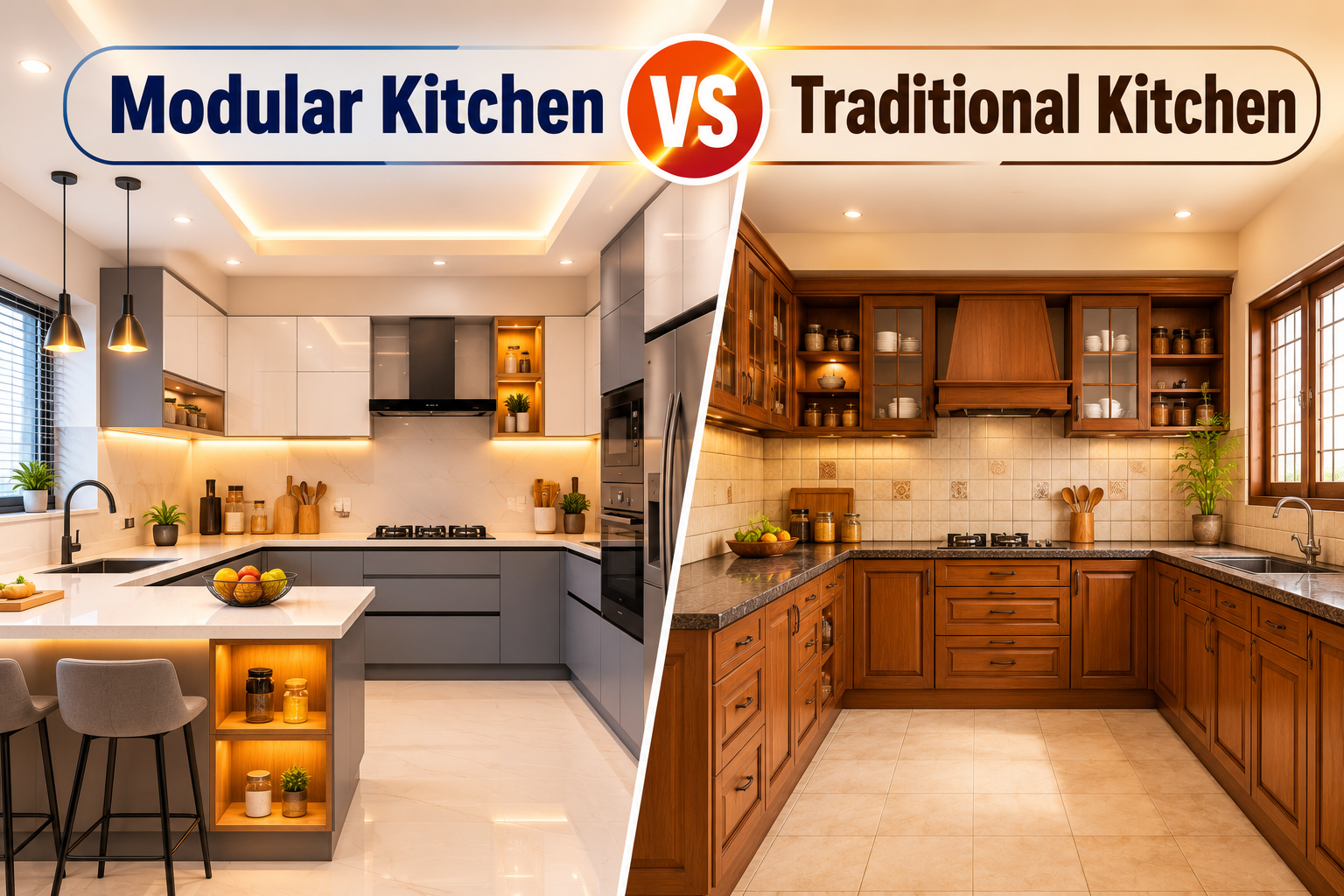
A modular kitchen is a modern kitchen design made up of factory-manufactured cabinets, drawers, shelves, and storage units. These modules are customized to fit your kitchen layout and are assembled at your home for quick installation.At Nestin Modulars, we design stylish and functional modular kitchens that combine aesthetics with smart storage solutions. Explore our modular kitchen services here:
What is a Traditional Kitchen?
A traditional kitchen is built entirely on-site by carpenters using materials like plywood, wood, or cement. Every cabinet and shelf is constructed manually, making the installation process longer compared to modular kitchens.
Traditional kitchens have been widely used in Indian homes for many years and can also be customized based on individual requirements.
Modular Kitchen vs Traditional Kitchen
1. Design Flexibility
Modular Kitchen
Modern modular kitchens are available in various layouts, including:
- L-Shaped Kitchen
- U-Shaped Kitchen
- Parallel Kitchen
- Island Kitchen
- Straight Kitchen
They offer sleek finishes, modern accessories, and contemporary aesthetics.
Traditional Kitchen
Traditional kitchens provide flexibility in design but generally require more manual work. Achieving a modern finish often depends on the carpenter’s skill and craftsmanship.
Winner: Modular Kitchen
2. Installation Time
Modular Kitchen
Since cabinets are manufactured in advance, installation is much faster.
Average installation time:
- 5–10 days
Traditional Kitchen
Construction takes place on-site, which increases project duration.
Average installation time:
- 20–45 days
Winner: Modular Kitchen
3. Storage Efficiency
Modern families require smart storage solutions.
A modular kitchen offers:
- Pull-out baskets
- Corner units
- Pantry units
- Tall storage units
- Soft-close drawers
- Cutlery organizers
- Bottle pull-outs
Traditional kitchens generally provide basic storage and may not include advanced accessories unless specifically designed.
Winner: Modular Kitchen
4. Appearance
A modular kitchen creates a clean, elegant, and contemporary look.
Popular finishes include:
- Laminate
- Acrylic
- PU Finish
- Glass Finish
- Matte Finish
Traditional kitchens usually have a more conventional appearance and may lack the seamless finish of factory-built cabinets.
Winner: Modular Kitchen
5. Durability
Both kitchen types can be durable if high-quality materials are used.
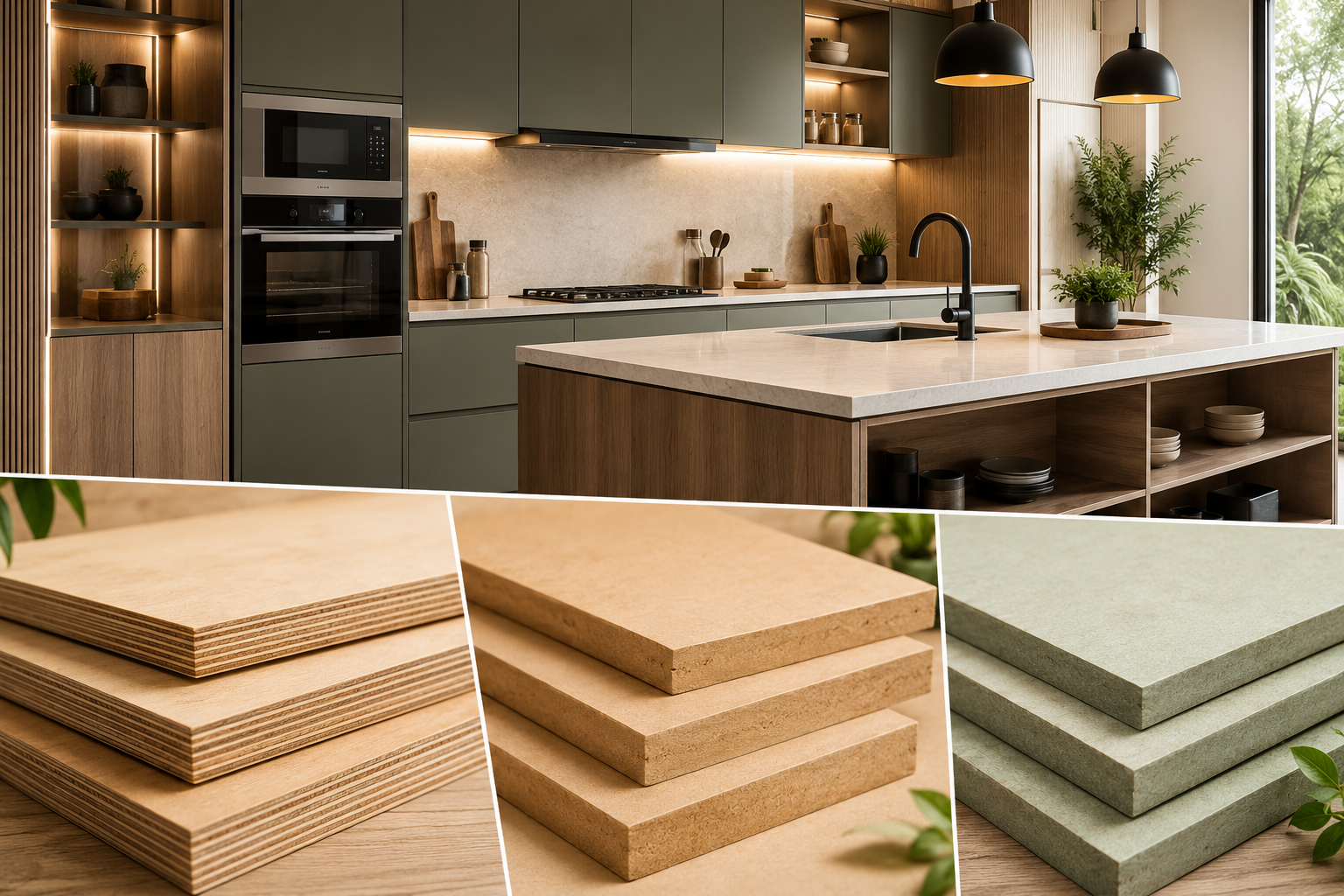
For long-lasting performance, choose:
- BWP Plywood
- HDHMR Boards
- Premium Hardware
- Moisture-resistant materials
The quality of workmanship plays an equally important role.
Winner: Tie
6. Maintenance
Modular kitchens are easier to clean and maintain because individual cabinets can be repaired or replaced without affecting the entire kitchen.
Traditional kitchens may require extensive repair work if a section gets damaged.
Winner: Modular Kitchen
7. Customization
Traditional kitchens offer complete flexibility because they are built entirely on-site.
However, today’s modular kitchens are also highly customizable and can be designed according to your cooking habits, storage needs, and available space.
Winner: Tie
8. Cost
Many homeowners believe modular kitchens are always more expensive.
In reality, the cost depends on:
- Kitchen size
- Materials
- Hardware
- Accessories
- Finish
- Customization
While a basic traditional kitchen may cost less initially, modular kitchens often provide better long-term value due to durability, functionality, and lower maintenance.
Comparison Table
| Feature | Modular Kitchen | Traditional Kitchen |
| Installation | Fast | Slow |
| Storage | Excellent | Basic |
| Design | Modern | Conventional |
| Maintenance | Easy | Moderate |
| Customization | High | High |
| Finish | Premium | Depends on craftsmanship |
| Durability | Excellent | Excellent |
| Future Upgrades | Easy | Difficult |
Which Kitchen is Better for Indian Homes?
For most modern Indian homes, modular kitchens are the preferred choice because they offer:
- Better space utilization
- Premium appearance
- Faster installation
- Smart storage
- Easy maintenance
- Long-lasting performance
Traditional kitchens may still be suitable for homeowners looking for handcrafted designs or working with a limited budget.
Why Choose Nestin Modulars?
At Nestin Modulars, we create customized modular kitchens designed to match your lifestyle and home interiors.
Our kitchen solutions include:
- L-Shaped Kitchens
- U-Shaped Kitchens
- Parallel Kitchens
- Island Kitchens
- Straight Kitchens
- Acrylic Kitchens
- Laminate Kitchens
- Customized Storage Solutions
We use premium materials, modern hardware, and expert craftsmanship to deliver kitchens that are stylish, durable, and functional.
Conclusion
Both modular kitchens and traditional kitchens have their own advantages, but for homeowners seeking a modern look, efficient storage, easy maintenance, and quick installation, a modular kitchen is the ideal choice.
If you’re planning a kitchen renovation or designing a new home, investing in a customized modular kitchen can enhance both the functionality and value of your property.
With expert planning, premium materials, and professional installation, Nestin Modulars helps you create a kitchen that perfectly blends style, comfort, and practicality.